
The Dostoevskian Counterexample
The Myth of SisyphusThis flow traces the movement from Kirilov’s logical suicide through the surrounding characters to Dostoevsky’s religious reversal.
increasing Bearing strength in each event
 decreasing
Bearing strength in each eventdecreasingThe Logical Premise
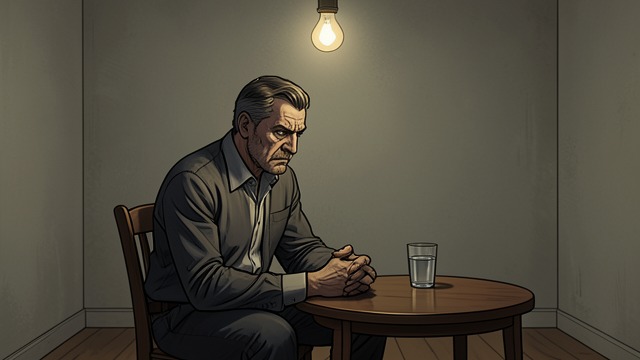
The Logical Premise
Absurd Existence
The desperate thinker concludes that life is intolerable without immortality. Nature appears to have created a person for suffering without offering a rational justification.
Self Judgment
The same person becomes plaintiff, defendant, judge, and accused. Suicide is imagined as a verdict against nature itself.
Kirilov’s Freedom
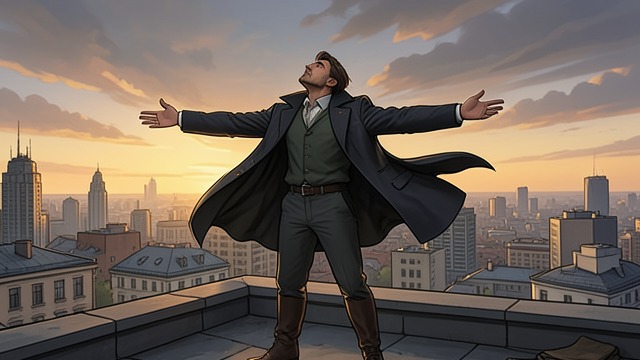
Kirilov’s Freedom
God’s Absence
Kirilov argues that if God does not exist, human beings can become gods through absolute independence. His divinity is terrestrial rather than supernatural.
Freedom’s Burden
Independence is not comfort. He calls himself unhappy because he must assert freedom through an act that exposes its cost.
Pedagogical Death
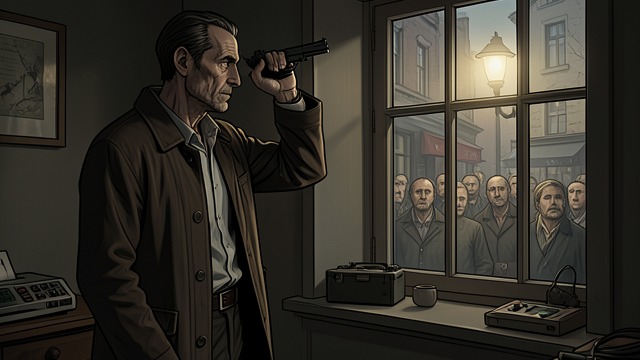
Pedagogical Death
Example for Humanity
Kirilov intends his death to teach others that they need not fear divine authority. His suicide is therefore directed toward human liberation rather than private despair alone.
Contradictory Sacrifice
The act leaves his freedom behind instead of living it. His attempt to reveal independence becomes another submission to an idea.
The Tsar of Indifference
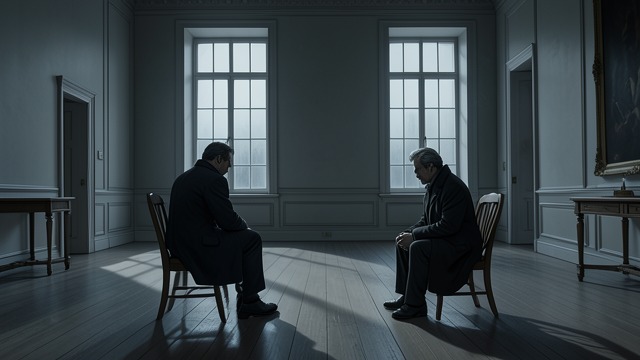
The Tsar of Indifference
Practical Consequences
Stavrogin and Ivan Karamazov test the consequences of living as though everything were permitted. Their freedom becomes emotional distance and intellectual sovereignty.
Melancholy Permission
The phrase “everything is permitted” does not produce joy. It reveals the bleakness of a world without a higher judge.
Religious Reversal
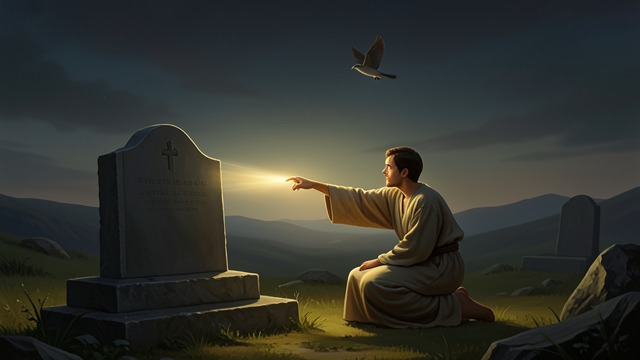
Religious Reversal
Return of Immortality
Alyosha Karamazov answers uncertainty with the promise of future reunion. The conclusion restores immortality and gives suffering a transcendent horizon.
Failed Absurdity
The work remains powerful because it stages the absurd question, but its final answer abandons the demand to live without appeal. The creator chooses hope over his characters’ revolt.
opening of the Kirilov discussion
early Kirilov section
middle Kirilov section
discussion of Stavrogin and Ivan after Kirilov
conclusion of the Dostoevsky discussion
